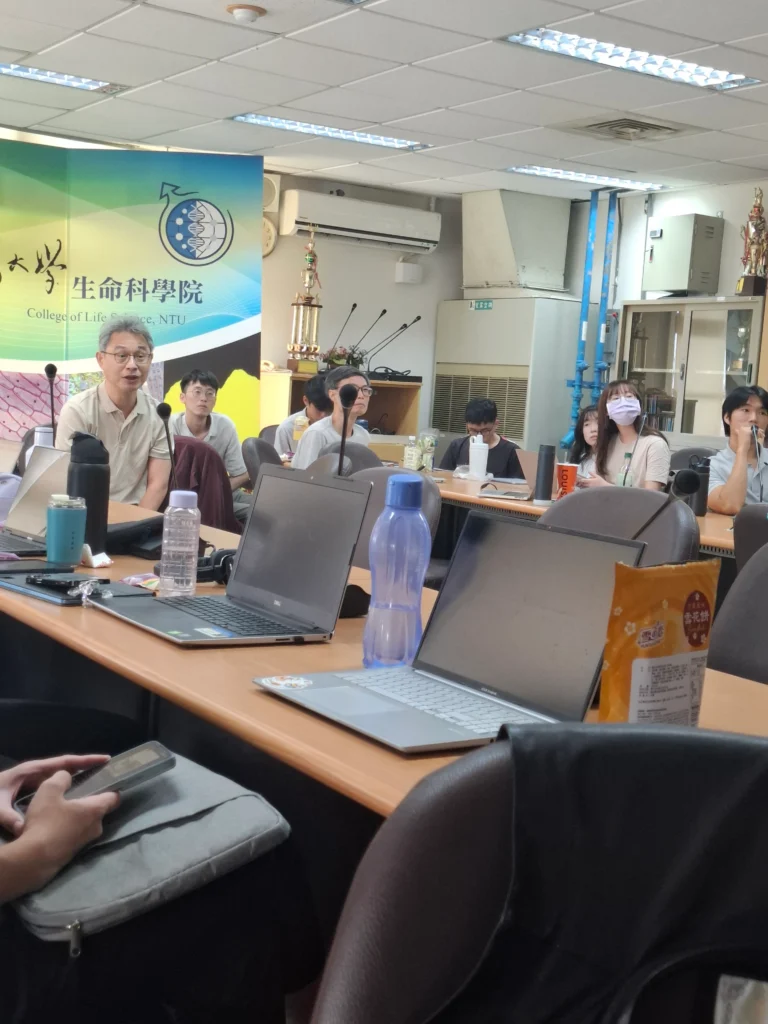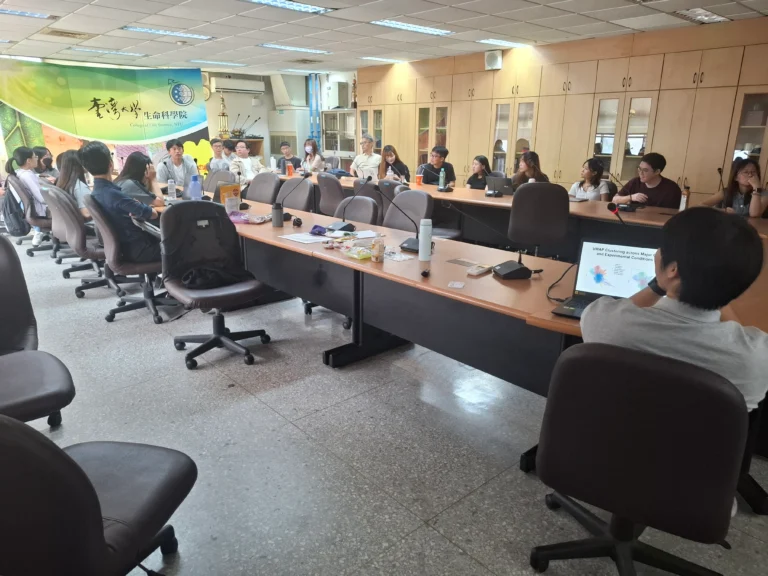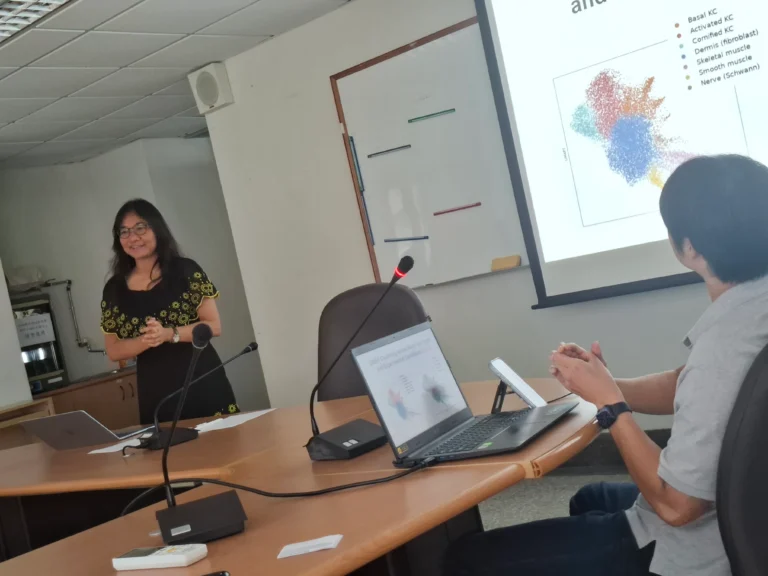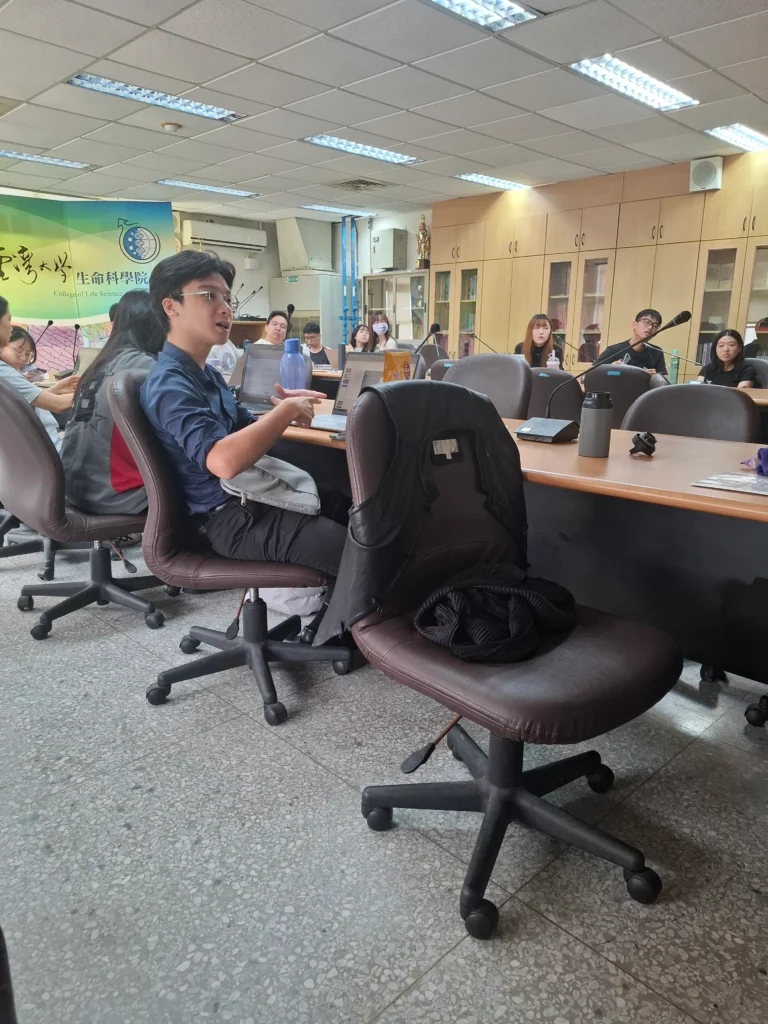
From June 23 to August 20, 2026, students from universities in Taiwan and abroad gathered at National Taiwan University to participate in the Undergraduate Summer Internship Program organized by the Center for Developmental Biology and Regenerative Medicine (CDBRM). This year, the program received 17 applications. Following a review process, 16 students were admitted, with 11 ultimately confirming their participation. In addition to students from National Taiwan University, participants came from National Taitung University, National Chung Hsing University, the University of California, San Diego, and the University of Southern California, highlighting the program’s inter-university and international reach.
The program covered a diverse range of research fields. Based on the research interests of their respective supervisors, students joined laboratories and participated in research related to developmental biology, biomedical sciences, animal science, bioinformatics, and other areas. By conducting experiments, participating in research discussions, and analyzing and summarizing their findings, students were able to connect classroom learning with practical research experience, gain a deeper understanding of different research fields and methodologies, and explore their own research interests.
The program officially started on June 23 with laboratory safety training, which introduced students to essential safety regulations and precautions for conducting experiments in a research environment. After completing the training, students joined their assigned laboratories and began working on projects aligned with their supervisors’ research interests.
For many participants, this was their first opportunity to become actively involved in a research laboratory. Unlike classroom-based theoretical learning, the summer program allowed students to conduct experiments, observe the research process, and learn how research questions are formulated, experiments are designed, and results are analyzed. Through interactions with professors and laboratory researchers, students also became familiar with the pace of research and the critical thinking and problem-solving skills required when confronting experimental results and research questions.
Over the course of nearly two months, students not only acquired experimental skills but also gradually developed a deeper understanding of and interest in their respective research fields. From exploring research questions and learning experimental methods to organizing and presenting their findings, each stage brought them closer to the realities of research and established a foundation for their future academic pursuits.
The program also provided opportunities for students to build upon previous research experience. One student participated in the program last year and once again joined the same professor’s laboratory to continue exploring the research topic from the previous summer. The progression from an initial introduction to research to a voluntary return to a familiar research environment demonstrates that a summer research experience can do more than introduce students to research—it can also inspire sustained engagement.
During the final presentations, another student developed a strong interest in the research presented by a different laboratory and expressed an intention to contact the professor to learn more about future opportunities to participate in the research. The presentations allowed students not only to reflect on and share their own summer projects, but also to learn about the research directions of other laboratories, broaden their perspectives, and explore potential paths for future study and research.
These experiences demonstrate that the value of the summer program extends beyond a one-time activity. By participating directly in research, students can discover their interests, gain practical experience, and begin considering new possibilities for their future studies and academic development.
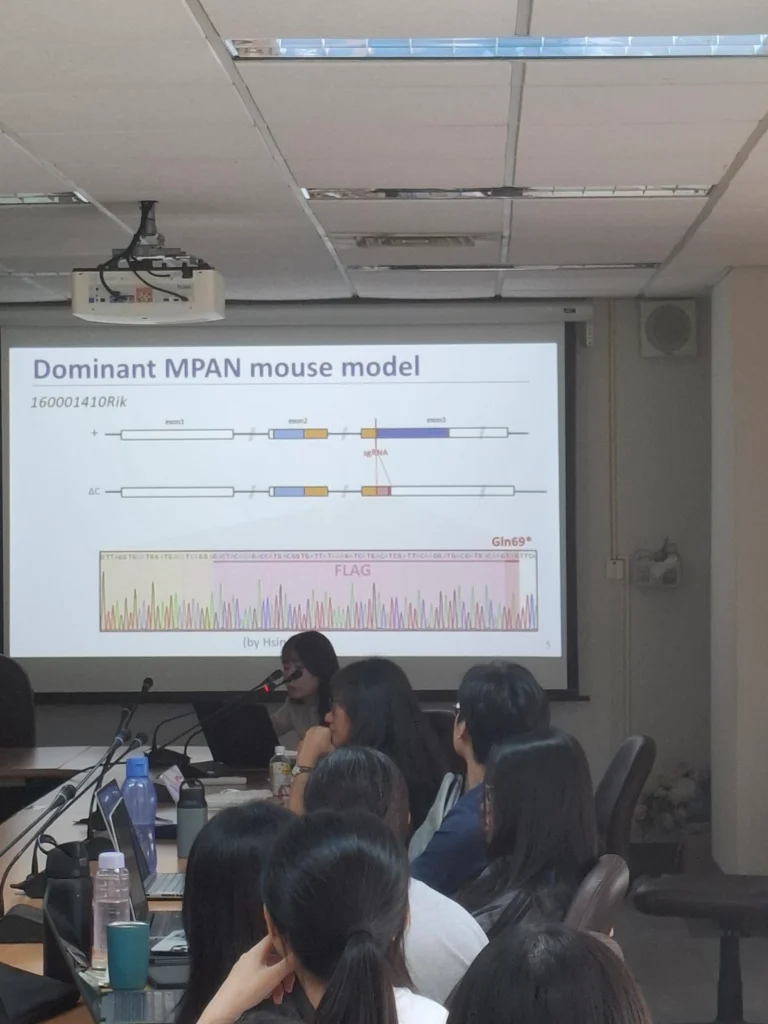
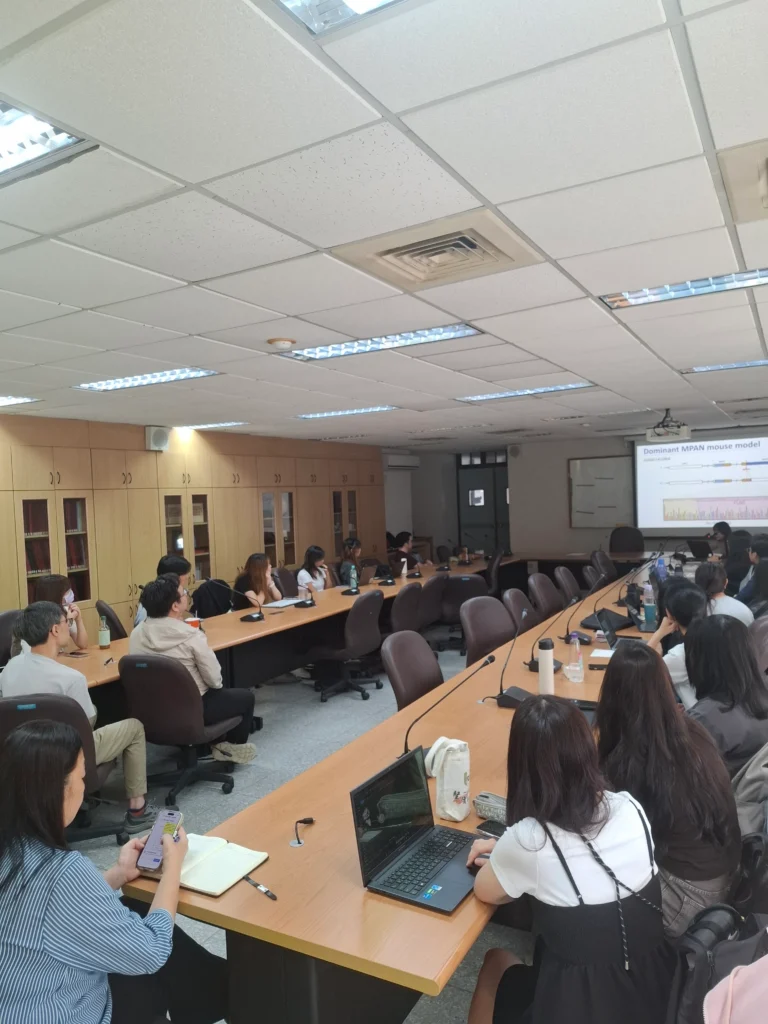
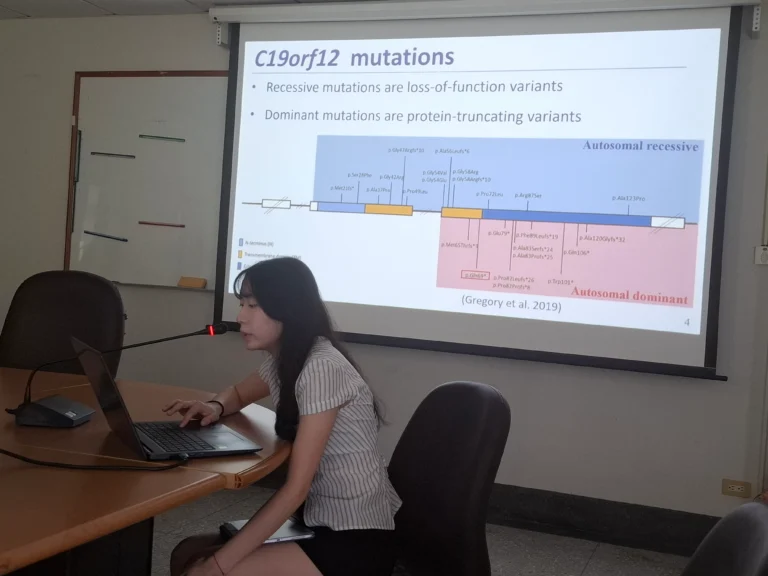
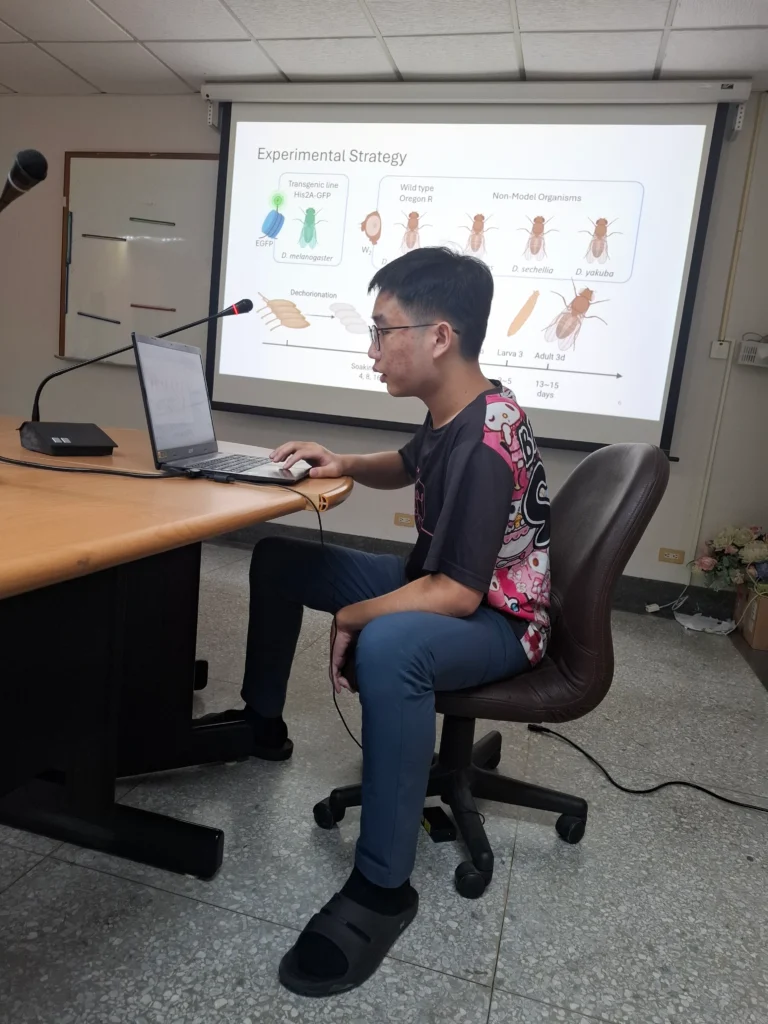
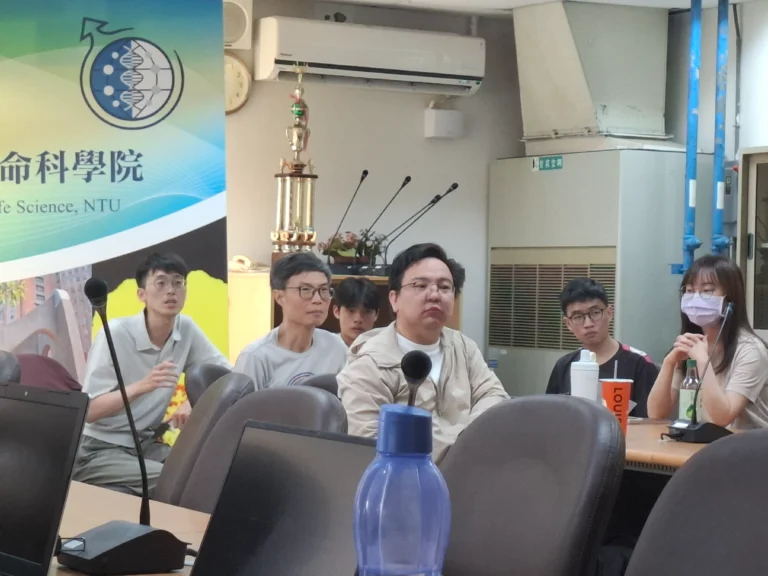
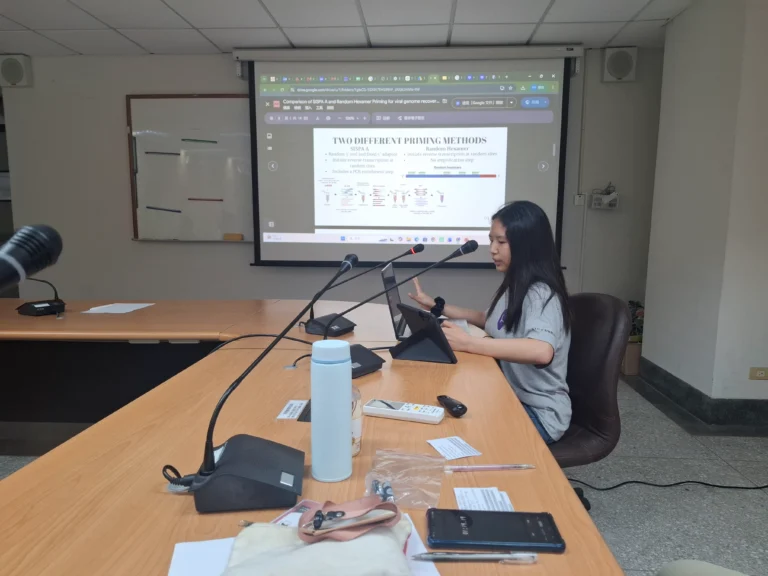
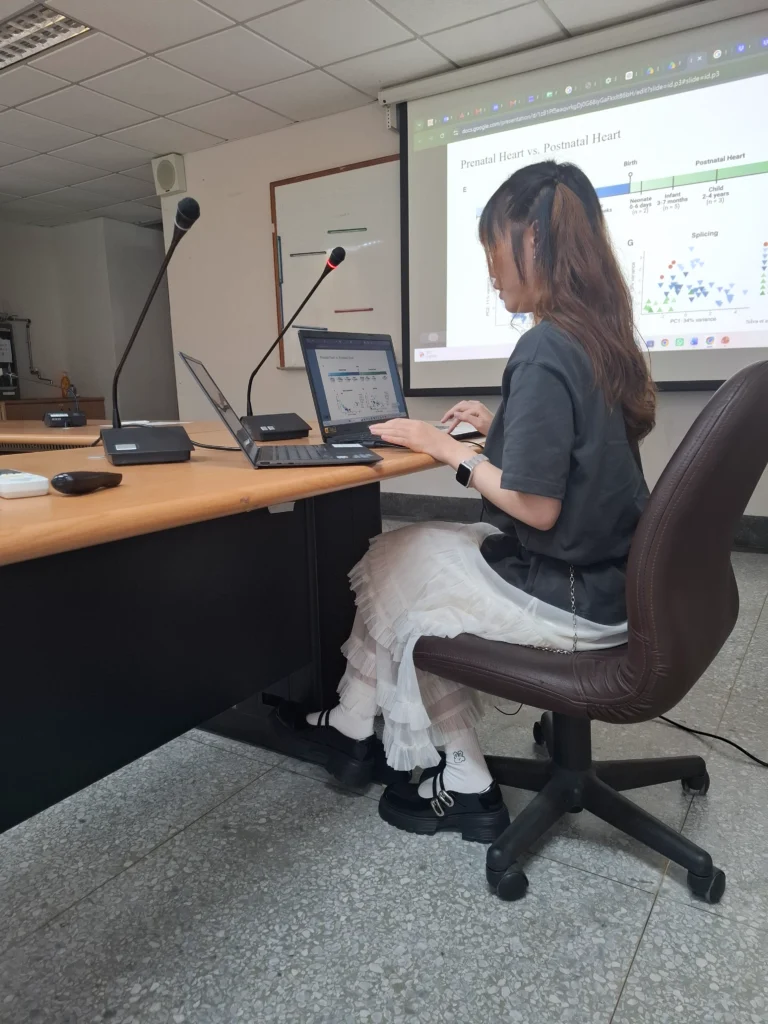
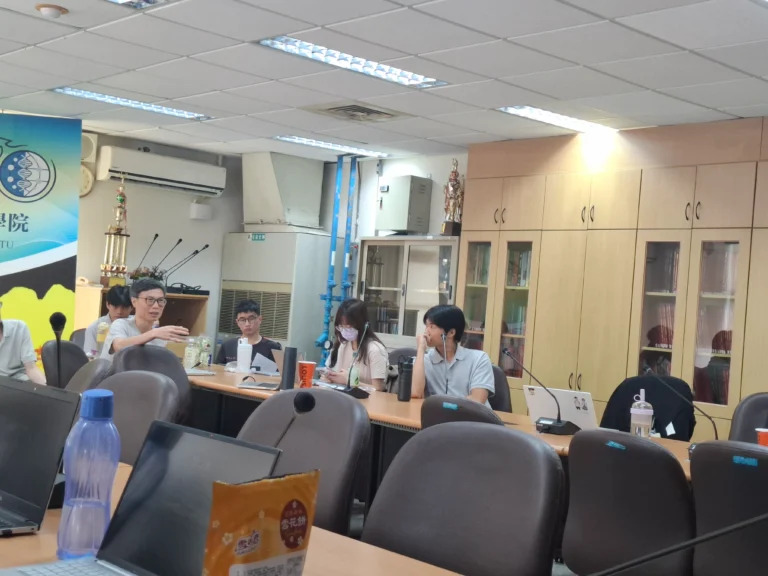
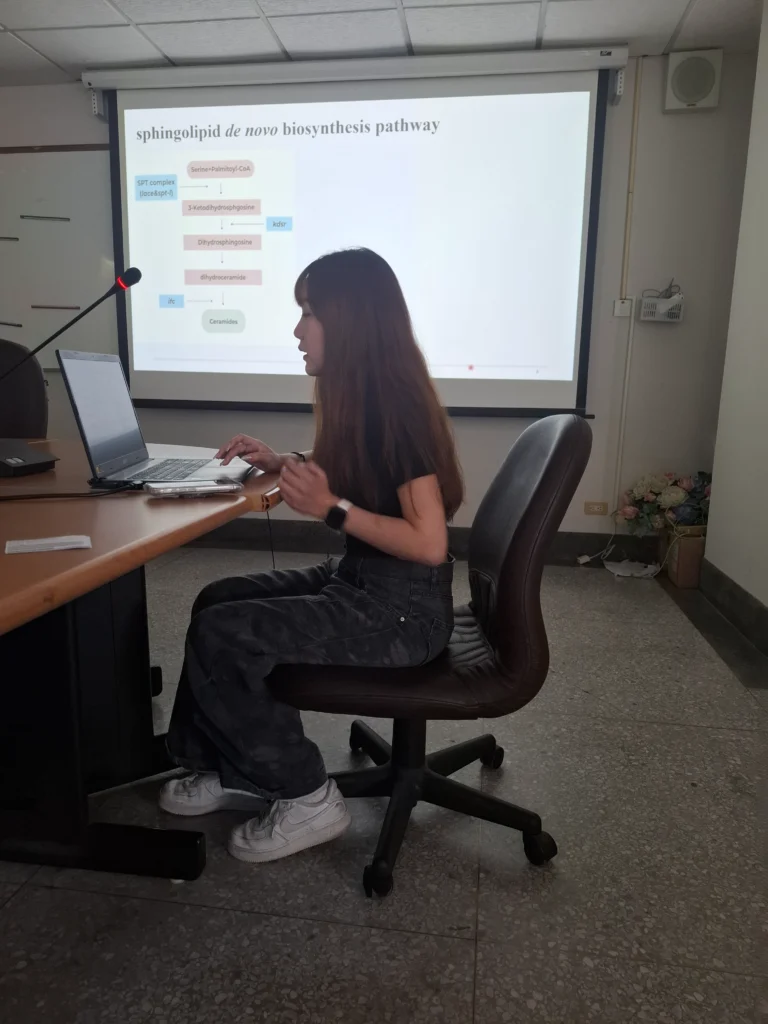
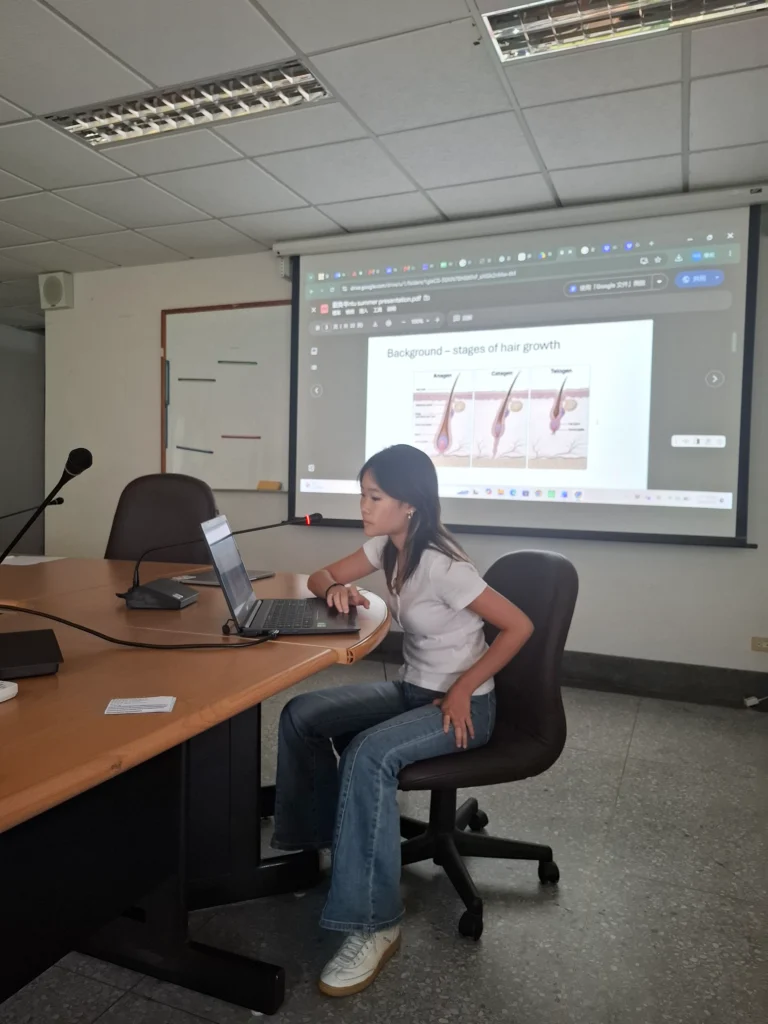
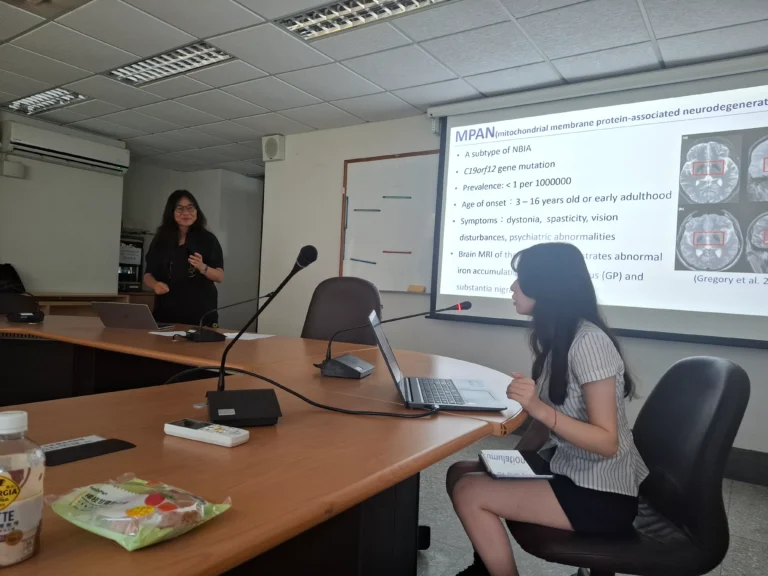
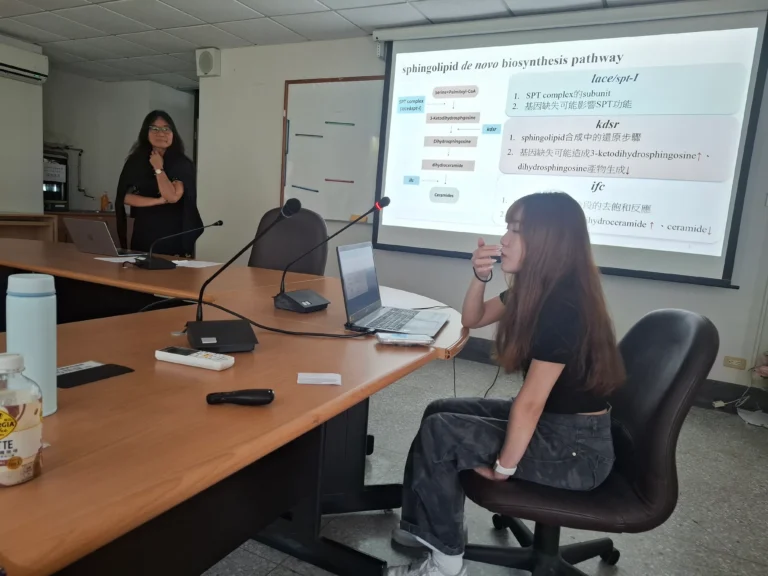
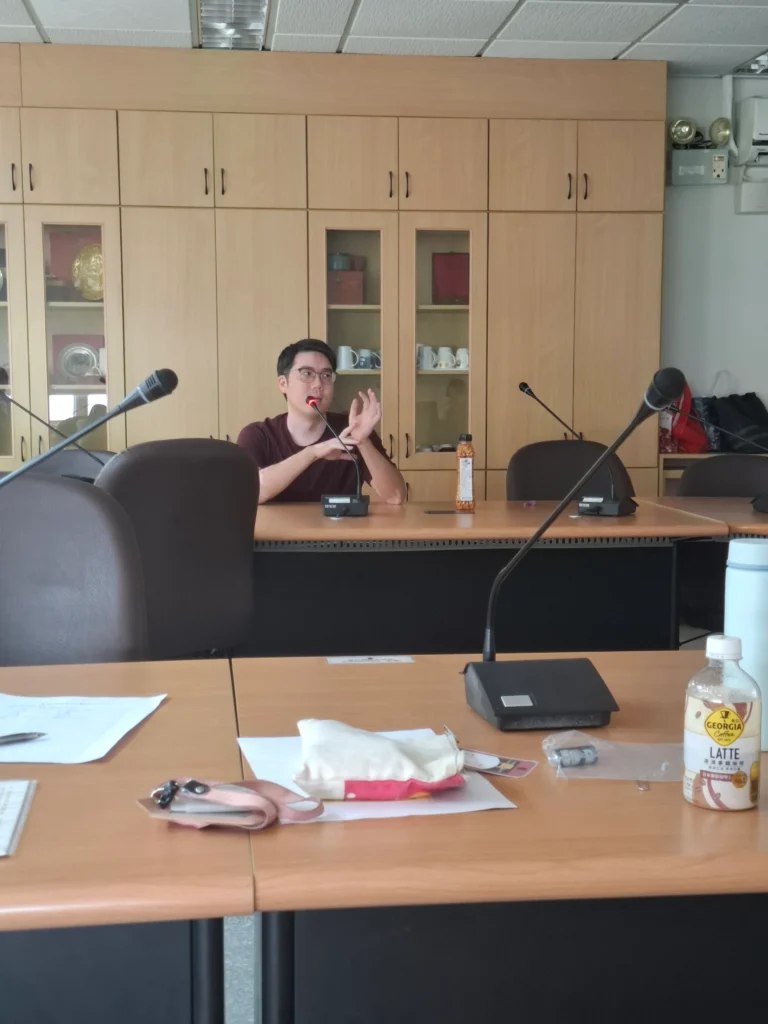
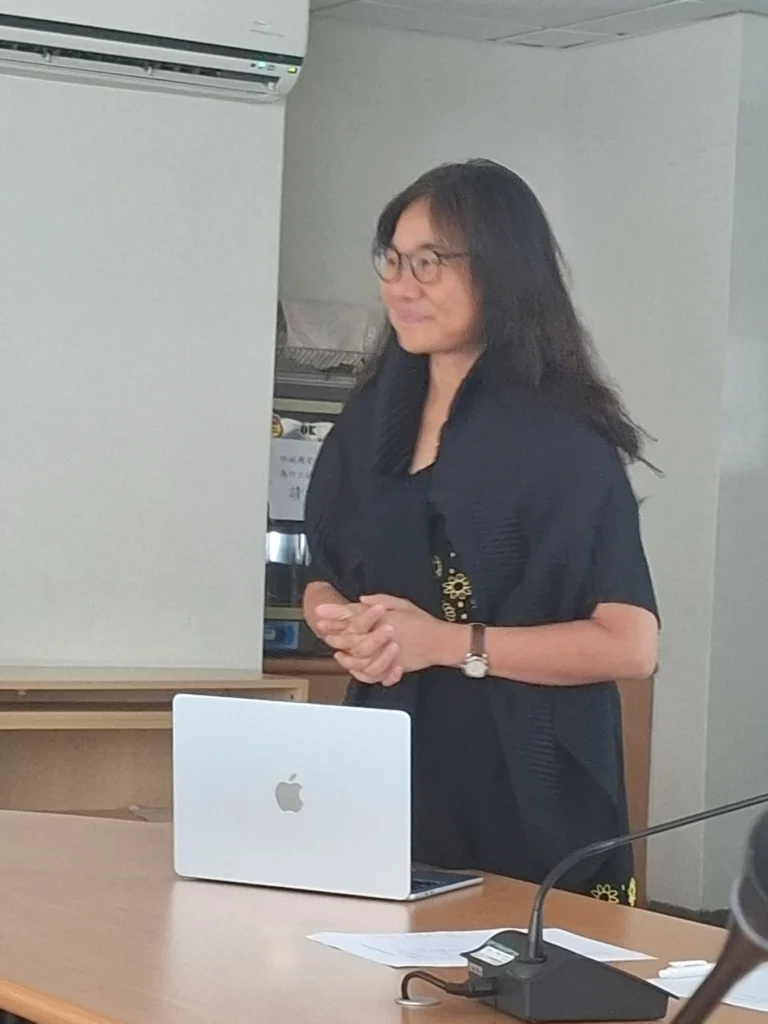
Following nearly two months of research and learning, the students presented their work and reflected on their experiences on August 20. The presentations gave them an opportunity to practice organizing and communicating their research findings while also learning about the projects, research topics, and methodologies of their fellow participants.
For the students, the presentations served as a review and consolidation of their research journey. For the supervisors and research teams, they offered an opportunity to understand the students’ progress, achievements, and learning outcomes. Bringing different research topics together in a single presentation session also allowed students to recognize the connections and possibilities across various areas of biomedical research.
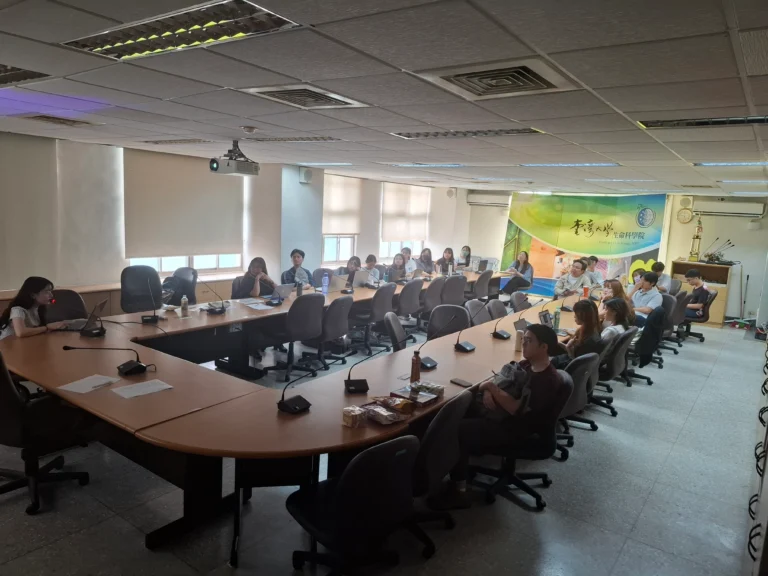
On August 20, following the final presentations, CDBRM joined several other NTU summer programs—including the NTU Center of Biotechnology’s N1 Biotechnology Program, the Center for Neurobiology and Cognitive Science’s Neuroscience Summer Training Camp, and the College of Life Science’s N3 Developmental Biology Program—in holding a joint closing ceremony. Students from the different programs gathered with laboratory members, professors, and program administrators to reflect on their summer research experiences and bring this rewarding learning journey to a close.
The ceremony was also attended by international academic partners, including Professor So Iwata and Associate Professor Guy Adam Tsuda from Kyoto University, as well as Professors Kenji Irie and Yasuyuki Suda from the University of Tsukuba. The participation of faculty members and students from diverse academic backgrounds and research fields provided the students with a valuable opportunity to engage with researchers from Taiwan and abroad, further broadening their understanding of research and the international academic environment.
By jointly organizing the closing ceremony, the participating programs also created opportunities for students to interact with peers from other summer programs and learn about different laboratories and research fields. This extended their summer experience beyond the individual laboratory setting and fostered broader interdisciplinary academic exchange and connections.
From laboratory safety training on June 23, to hands-on research in individual laboratories, and finally to the presentations and joint closing ceremony on August 20, the nearly two-month summer research journey concluded on a successful and meaningful note.
For CDBRM, the Undergraduate Summer Research Program is not simply an opportunity for students to gain laboratory experience. More importantly, it enables young students to discover the fields that interest them through direct participation in research and to begin considering their future paths through interactions with professors, researchers, and fellow students.
Whether returning to the same laboratory to continue an earlier project or discovering a new research interest through the final presentations, the students’ varied experiences illustrate that the value of research education extends beyond a single summer. Such experiences may become an important starting point for students to pursue research, explore new fields, and establish lasting academic connections.
The 2026 CDBRM Undergraduate Summer Research Program has now come to a successful conclusion. We hope that this rewarding and memorable experience will provide valuable inspiration for the students’ future studies and research journeys. We also look forward to welcoming more young students into research laboratories, where they can explore the limitless possibilities of biomedical science through hands-on experience.